
.jpg)
Meet the 6 Mentees of 2025!
Throughout 2025, IGLYO supported a new cohort of Member Organisations working to advance LGBTQI-inclusive education across Europe. The LGBTQI Inclusive Education Mentorship Programme brought together six youth-led groups, each responding to different challenges in their national contexts, ranging from hostile policies and misinformation to gaps in research, teacher training, and institutional engagement.
Over the course of a year, mentees received tailored mentorship, financial support, and opportunities for cross-border peer-to-peer exchange. What united them was a shared commitment to create schools, universities, and learning environments where LGBTQI children and young people can feel safe, respected, and able to thrive. Through research, advocacy, public events, awareness-raising, and institutional cooperation, each organisation contributed to stronger, more resilient education systems.
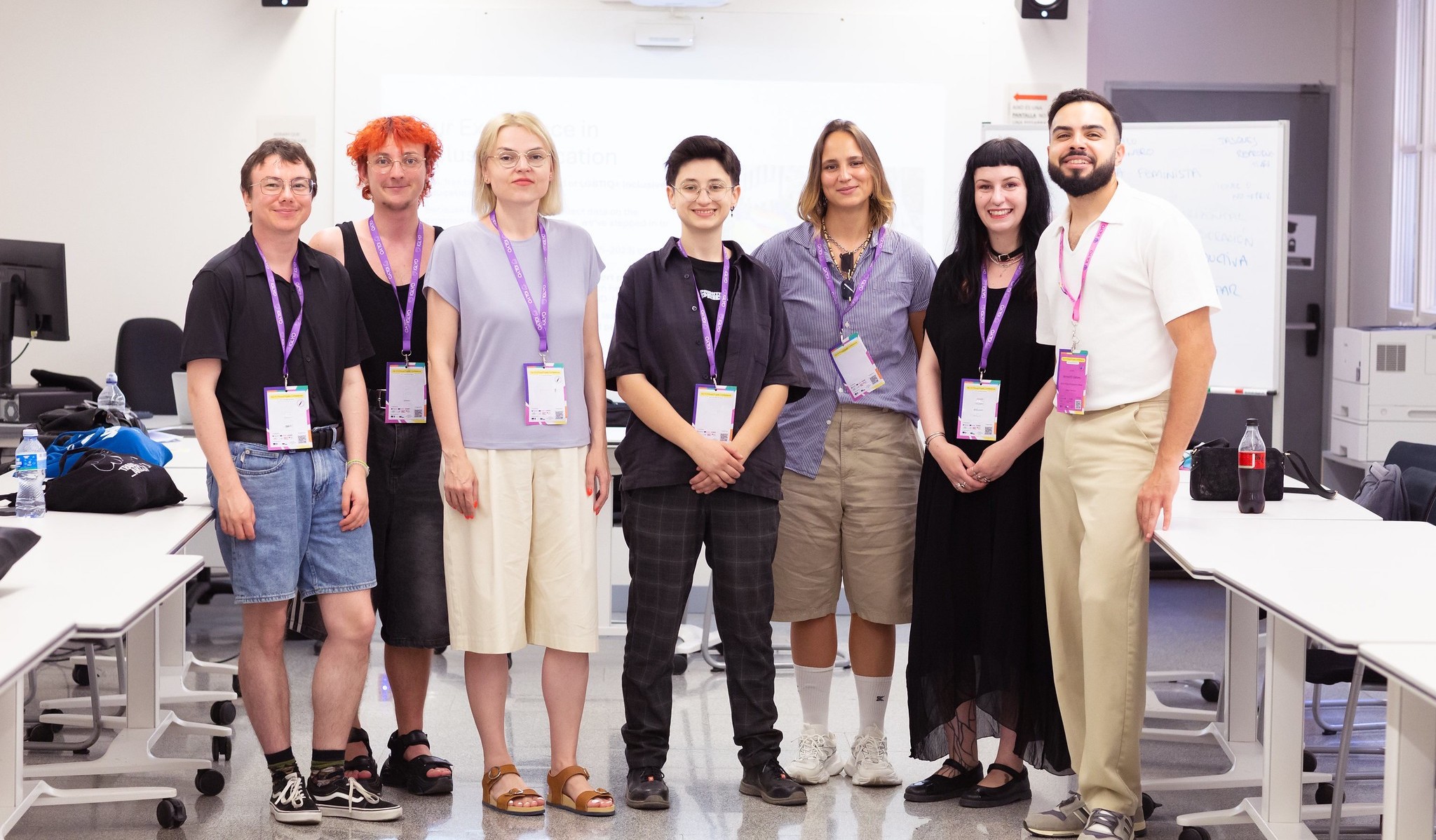
The projects below reflect the diversity of approaches taken by our Members; from generating new evidence and training teachers, to organising national conferences, producing educational resources, and building alliances with ministries and school administrations. Their work demonstrated how youth-led activism can meaningfully influence institutions and contribute to long-term social change.

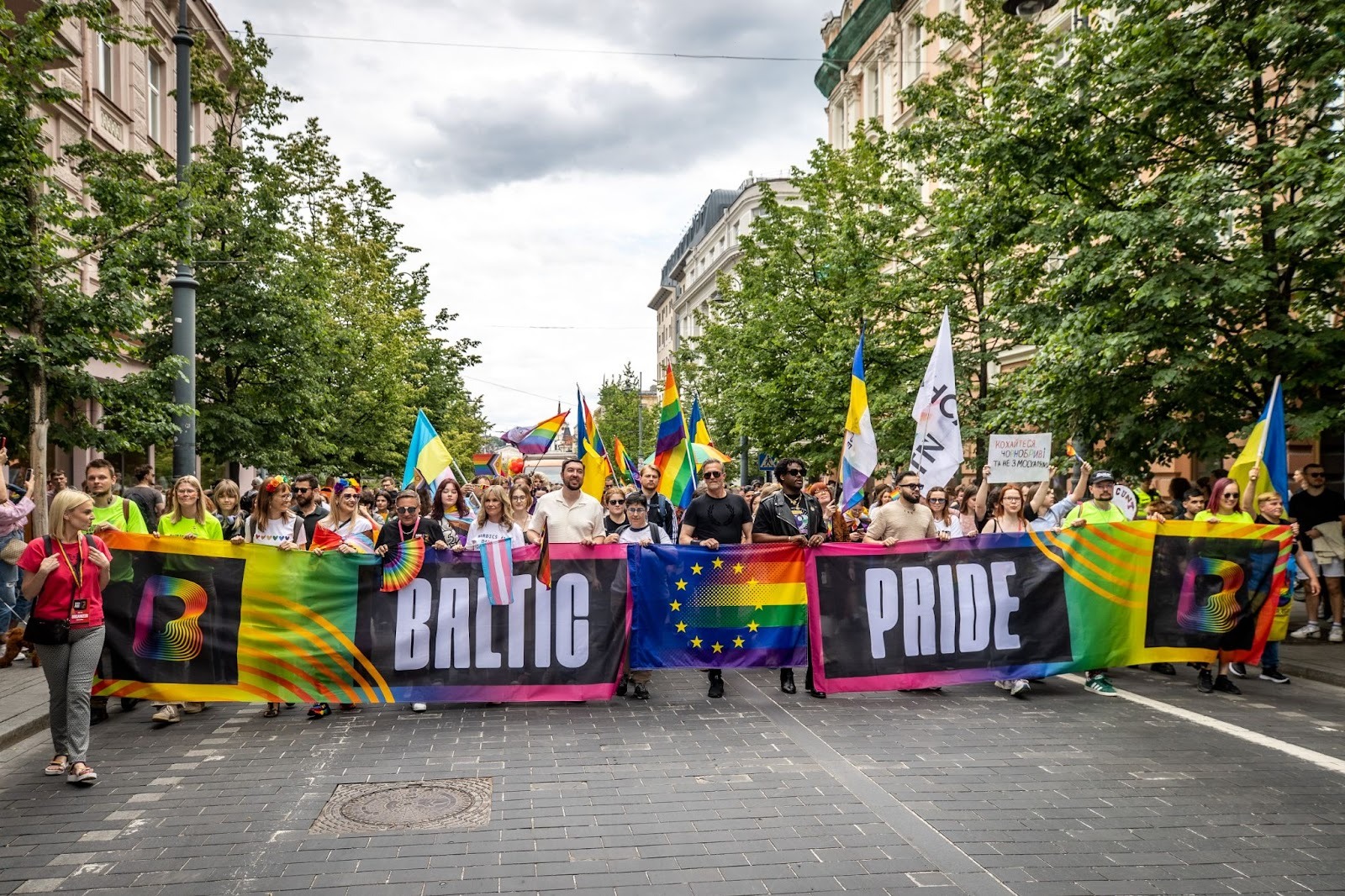
1. LGL & TYA (Lithuania): Advocating for Safer and More Inclusive Schools
LGL and TYA used the mentorship programme to confront long-standing gaps in Lithuania’s approach to LGBTQI inclusion in education. With no national monitoring of LGBTQI students’ well-being and no mandatory training for teachers, the organisations expanded their existing work into a broader advocacy effort. They used Baltic Pride 2025 in Vilnius as a strategic platform for national-level discussion.
Through a series of workshops, conversations, and community sessions hosted at the Pride House, the organisations brought together LGBTQI youth, educators, child-rights specialists, municipal representatives, and civil society actors. These dialogues identified key challenges in Lithuanian schools, including the legacy of discriminatory legislation and the urgent need for institutional training on diversity and inclusion.
Together with participants, LGL and TYA co-created a memorandum for inclusive education, outlining concrete actions needed to improve safety and well-being for LGBTQI students. The project concluded with a collective presence at the Baltic Pride March for Equality, where stakeholders marched behind a unified banner promoting the memorandum’s demands. The project strengthened collaboration, visibility, and political momentum for systemic change.
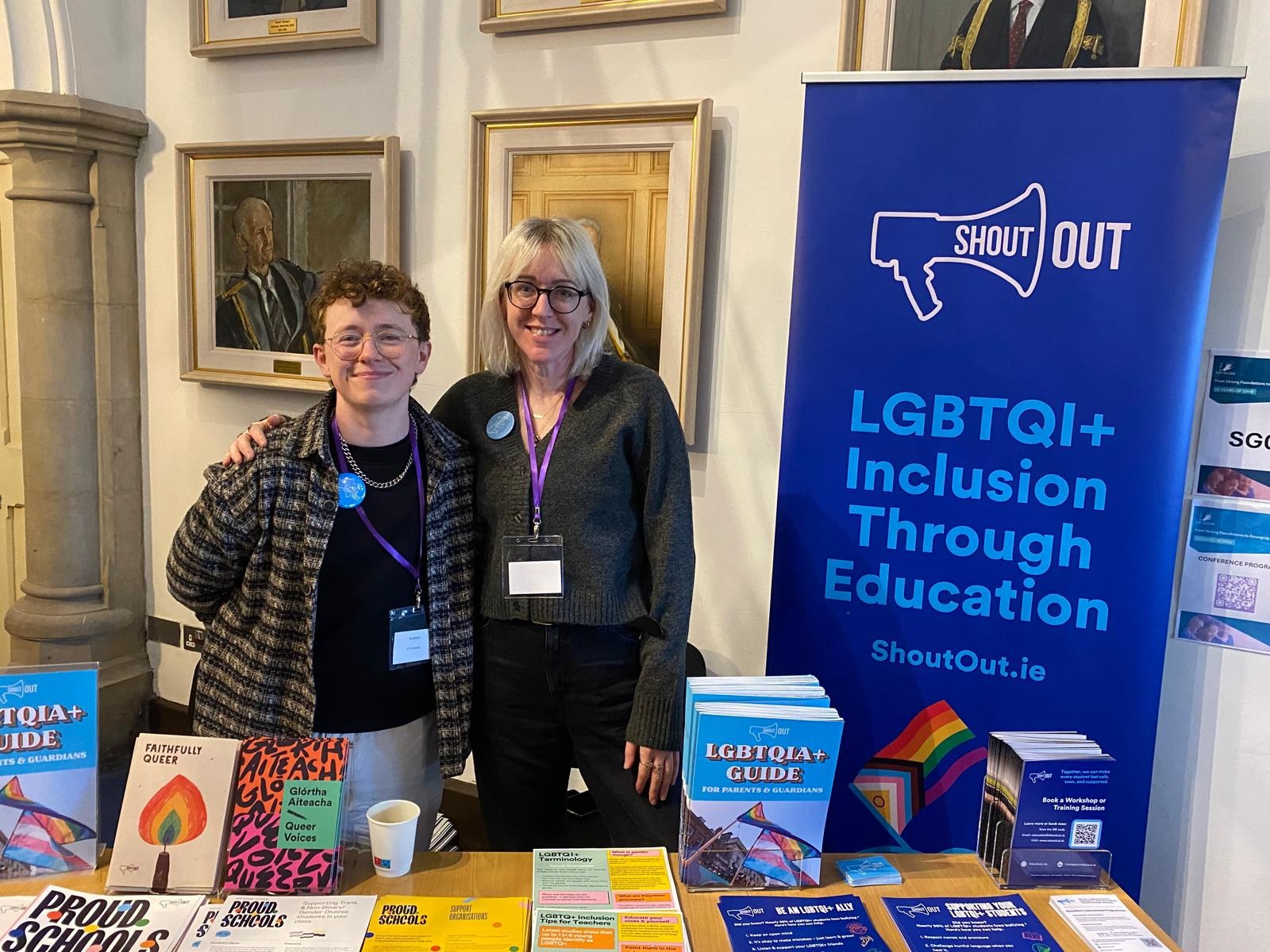
2. ShoutOut (Ireland): Inclusive Education Advocacy Programme
ShoutOut used the mentorship programme to address the growing influence of misinformation in Irish schools. The organisation began the year with an in-depth review of research, policy, and emerging “anti-gender” narratives to ensure its approach was grounded in real challenges faced by teachers and LGBTQI students.
Based on this mapping, ShoutOut developed a suite of evidence-based educational resources, including fact sheets, guides for conversations with young people, and digital tools designed to support teachers, parents, and school communities. These materials were refined in close collaboration with educational partners, state bodies, and IGLYO’s wider network.
The resources were then piloted through training sessions and focus groups, which allowed ShoutOut to test the materials with teachers and LGBTQI students and gather feedback. The project culminated in the creation of an open-access online hub, now serving as a national reference point for inclusive education. Through strategic dissemination across school networks and participation in IGLYO’s international convenings, ShoutOut strengthened Ireland’s ability to counter misinformation and create safer, more supportive environments for LGBTQI students.

3. TransAkcija (Slovenia): TACT 2025 — Advancing Trans Rights Through Education
TransAkcija’s mentorship project revolved around TACT 2025, a national conference held in Ljubljana that gathered researchers, educators, health professionals, legal experts, and community advocates to address gaps in trans rights and visibility in Slovenian education and public life.
The conference featured two panel discussions and a lecture, covering topics such as legal gender recognition, human dignity protections in Slovenian law, and healthcare pathways for transgender people. Speakers explored how national frameworks diverged from international human rights standards and highlighted urgent reforms needed to safeguard trans students and young people.
To reinforce learning beyond the event, TransAkcija produced pocket-sized educational brochures summarising WPATH SOC-8 guidance, ICD-11 updates, and legal procedures in Slovenia. They also conducted two national surveys; one targeting university faculties and another for trans students, which revealed major inconsistencies in institutional support and a significant lack of safety when interacting with teachers and staff. These findings, along with recorded conference sessions, are now being processed into open-access educational modules, will support long-term advocacy for safer learning environments for trans youth.
4. Društvo DIH (Slovenia): Together Against Bullying of LGBTQIA+ Children and Youth
Društvo DIH’s project focused on tackling bullying and building safer school environments for LGBTQIA+ children and young people across Slovenia. Their work combined awareness-raising, student workshops, and practical tools for teachers, with the aim of helping schools better recognise and address homophobic, biphobic, and transphobic bullying. Central to the project was the goal of making LGBTQIA+ students feel visible and supported, while encouraging their classmates to take an active role in preventing discrimination.
Over the year, DIH delivered workshops in secondary schools, creating space for students to talk about empathy, bystander intervention, LGBTQIA+ identities, media representation, and respectful communication. These sessions helped young people explore the different forms bullying can take and what they can do when they witness it. To support educators, DIH produced a practical pamphlet for teachers and school staff, offering clear guidance on how to identify bullying, respond to incidents, and create more welcoming classroom environments.
To broaden the project’s reach, the organisation also organised a national conference where educators, youth workers, and other stakeholders shared experiences and good practices. Alongside this, DIH ran a social media campaign amplifying young people’s voices and promoting messages of acceptance and solidarity. Together, these activities increased awareness of LGBTQIA+ bullying, strengthened the skills of teachers and youth workers, and equipped students with concrete tools to stand up for their peers. The resources developed continue to support schools and communities in working towards safer, more inclusive environments for all students in Slovenia.
5. Aleanca LGBT (Albania): EUSA-LGBTQI — Education for All
Aleanca LGBT focused on understanding and documenting the educational realities of LGBTQI youth in Albania, many of whom face exclusion long before they reach university. What began as research into the experiences of LGBTQI students in higher education quickly expanded when early findings revealed that numerous LGBTQI young people never make it to university at all due to discrimination, family rejection, and financial hardship.
Through a series of interviews and focus groups, the project captured experiences from students who were currently enrolled, those who had dropped out, and those pushed out of earlier stages of education. These testimonies shed light on the systemic failures, including unsafe school environments, bullying, lack of representation, and the absence of institutional support.
Aleanca developed a comprehensive research report that outlined these findings and proposed practical recommendations for improving educational inclusion at all levels. The results were presented at a roundtable with public authorities, supported by visual advocacy materials aimed at advancing long-term institutional change in Albania’s school and university systems.
.jpg)
6. GenderDoc-M (Moldova): Parents, Schools, and Institutions Working Together
GenderDoc-M’s project responded to the harmful conditions faced by LGBTQI students in Moldova, ranging from bullying and misinformation to conversion attempts promoted in some school environments. Recognising the importance of multi-layered engagement, the organisation worked directly with the Ministry of Education, schools, and parents to foster a more supportive and rights-based approach to student well-being.
The project brought together in a national roundtable ministry officials, teachers, parents, and civil society organisations to discuss bullying, curriculum gaps, and institutional responsibilities. This was accompanied by parent-led information sessions held in schools, which helped counter misinformation and strengthen connections between families and school staff.
To further build institutional capacity, GenderDoc-M organised a series of training sessions for teachers and parents, focusing on inclusive approaches to supporting LGBTQI students. These coordinated actions strengthened cooperation between civil society and state actors and laid foundations for more sustainable, rights-based inclusion in Moldovan education.
Conclusion
The 2025 Mentorship Programme showcased the strength and determination of youth-led organisations working to make education inclusive for all LGBTQI young people. Despite operating in very different political and social landscapes, each group contributed something vital: evidence, visibility, community voice, or institutional engagement.
By documenting experiences, partnering with public authorities, creating educational tools, and amplifying youth perspectives, these six organisations have helped build a stronger, more resilient movement for LGBTQI-inclusive education across Europe.
IGLYO is proud to support this work and excited to continue strengthening the next generation of advocates.
With the support of
.png)
The IGLYO LGBTQI Inclusive Education Mentorship Programme is funded by the Citizens, Equality, Rights and Values (CERV) 2021-2027 Programme of the European Union, and the European Youth Foundation of the Council of Europe. However, the views expressed in the projects can in no way be taken to reflect those of the European Commission or the Council of Europe.